Recognising that mining companies are microcosms of society, the company’s commitment extends beyond its sites into the communities around mines
Implats made a R10-million initial donation to the GBV Fund
Implats champions industry-wide solutions to combat gender-based violence
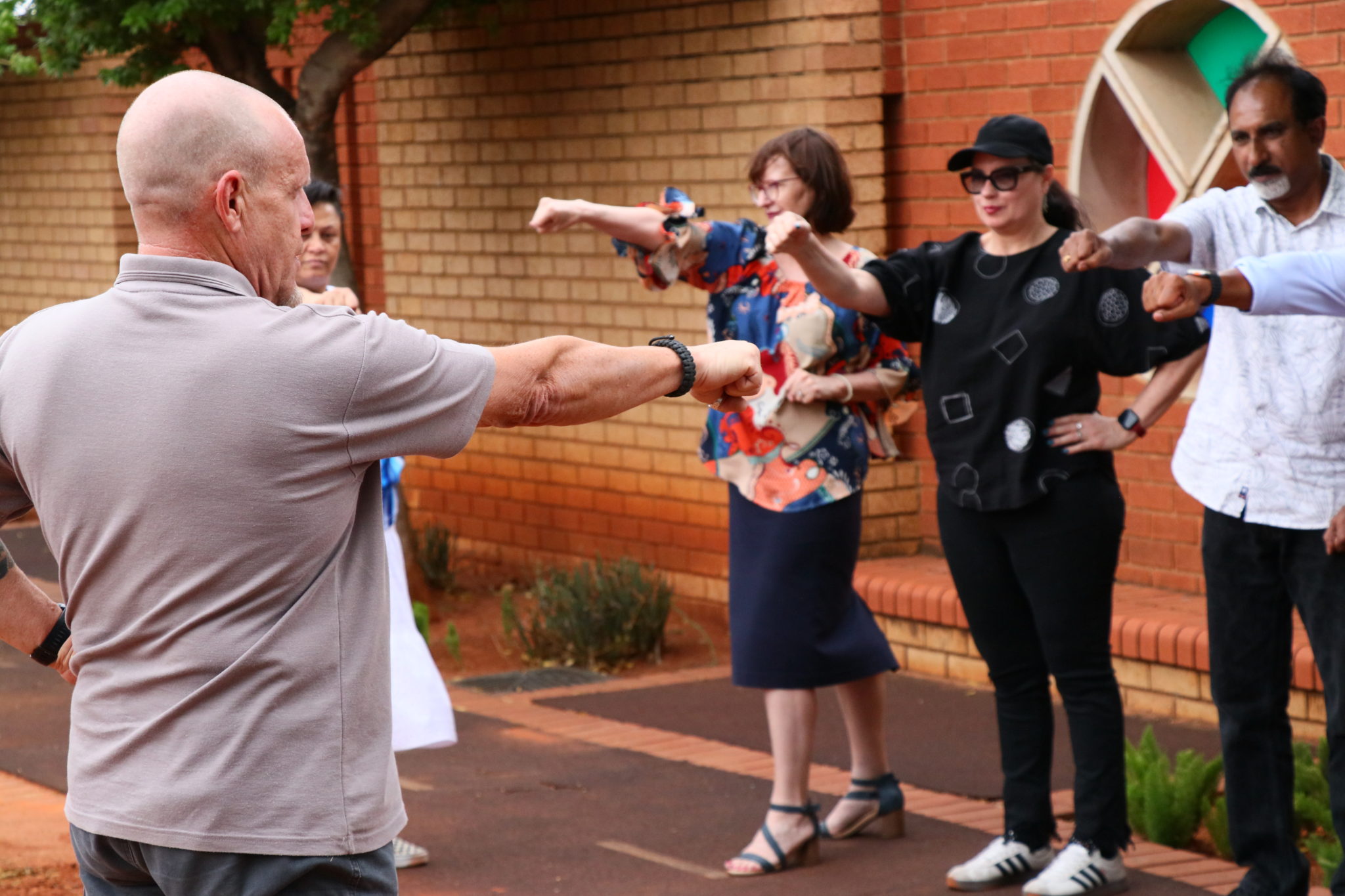
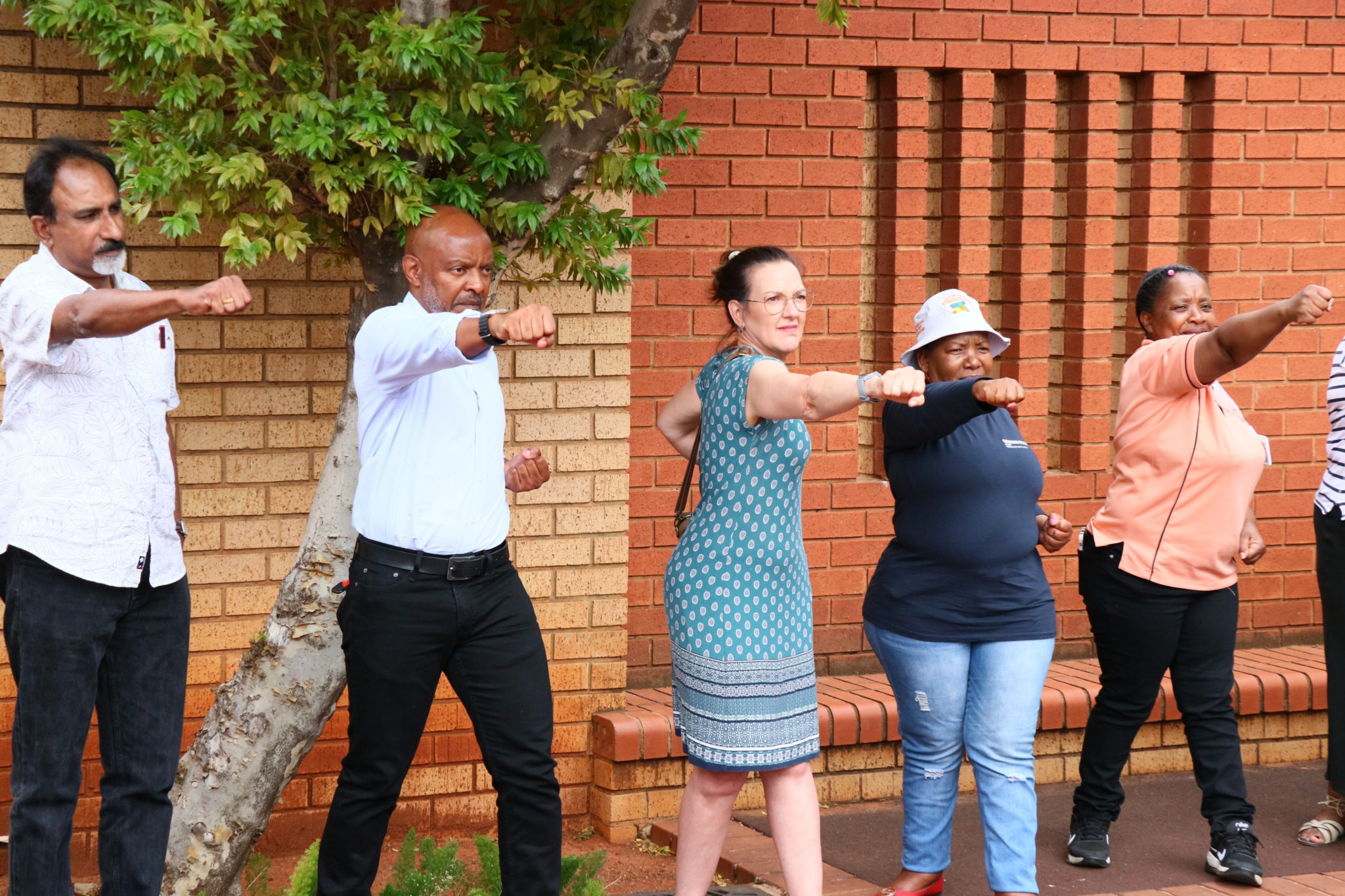
When platinum group metals producer Impala Platinum (Implats) introduced self-defense classes for a small group of women at its Johannesburg head office, it did not expect the response it got.
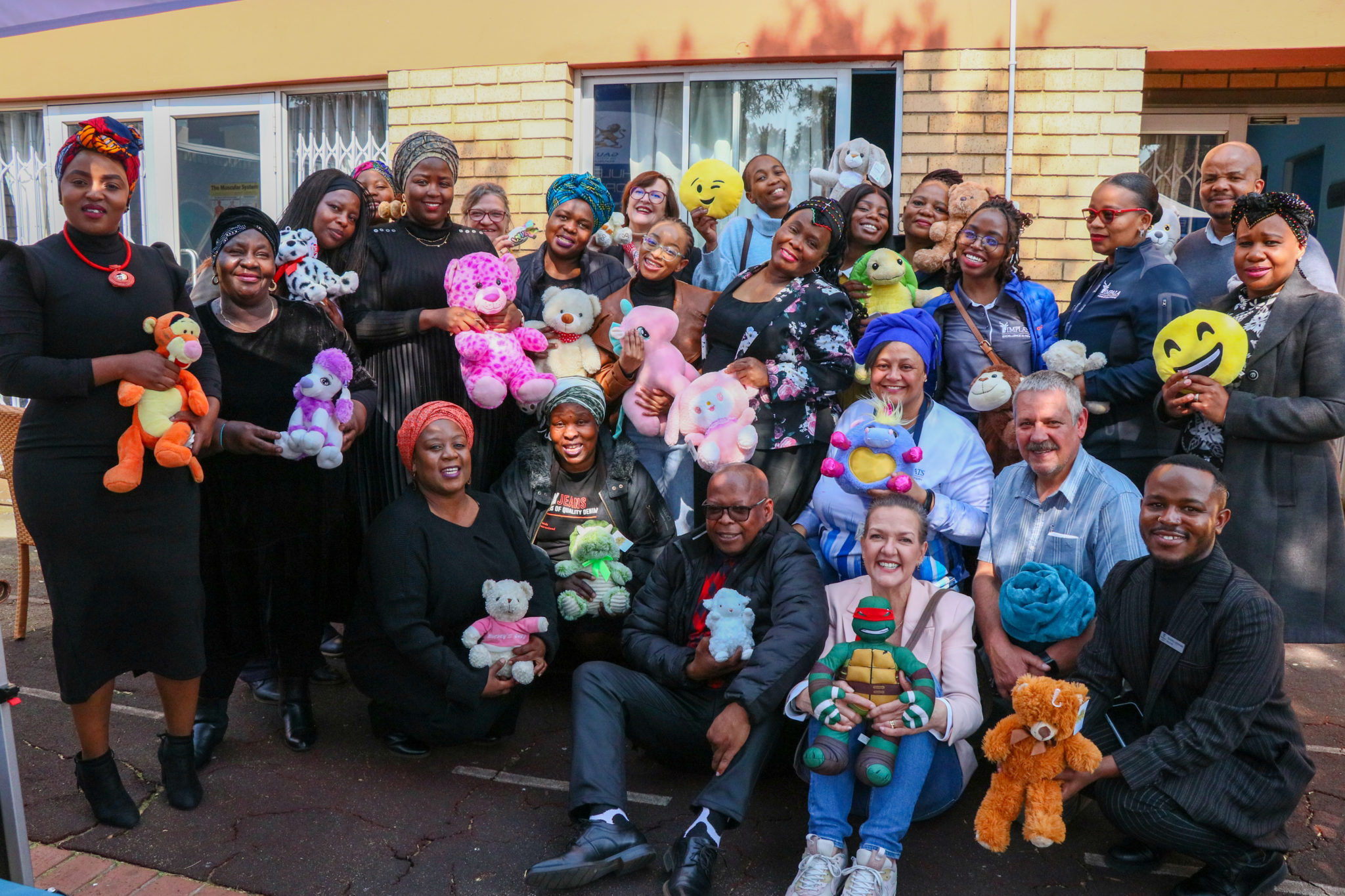 “It was so successful, we rolled it out across our operations and also to Zimplats, through a virtual course. It’s still being used. We extended it to our sister companies through the Minerals Council and it even went as far as schools,” says Carla Radloff, Implats Group head of talent and transformation.
It’s not hard to understand why – South Africa’s gender-based violence (GBV) statistics are hair-raising. Between July and September 2024 the South African Police Service recorded 957 murders of women, 1 567 attempted murders of women, 10 191 rapes and 14 366 instances of grievous assault against women. The service halted the release of disaggregated statistics on crimes against women and children for January to March 2025 citing “significant anomalies” and “data integrity issues” and did not release crime statistics disaggregated for gender after September 2024.
 Implats operations spread across three countries: South Africa on the Bushveld Complex around Rustenburg, Zimbabwe (where it operates as Zimplats) and Canada. The company employs around 66 200 people, including outside contractors, according to its website. About 15% of employees (about 9 900 people) are women.
The company’s zero-tolerance stance on GBV and any harassment, driven by a strong sense of corporate responsibility and social justice in a country in which GBV is rife, is guided by the frameworks of the United Nations Global Compact (UNGC) and aligned with the Sustainable Development Goals (SDGs), says Annie Snyman, Implats’ group head of social performance.
SDG 5 aims to achieve gender equality and empower all women and girls, while SDG 8 focuses on promoting sustained, inclusive and sustainable economic growth, full and productive employment and decent work for all.
Recognising that mining companies are microcosms of society, the company’s commitment extends beyond its sites into the communities around mines. Since the launch of the South African government’s intensified national GBV strategic plan in 2020, Implats has implemented a range of internal and external interventions.
 Key initiatives of this multi-faceted, integrated approach to combating GBV focus on prevention, protection, education and partnership and include a 24-hour, toll-free, anonymous harassment, bullying and victimisation (HBV) hotline that was launched during the 2024 financial year. Through the hotline Implats registered a 9% increase in reported cases by the end of the 2025 financial year. This, says Snyman, is a positive sign of growing employee trust.
Implats also enforces strict accountability through disciplinary actions and uses independent investigators for cases involving senior staff to ensure impartiality. To foster a fundamental shift in attitudes, the company actively engages men in leadership roles as “agents of change” to build a culture of respect, while simultaneously implementing women’s empowerment initiatives such as providing self-defence training and maintaining a clear policy of equal pay for work of equal value.
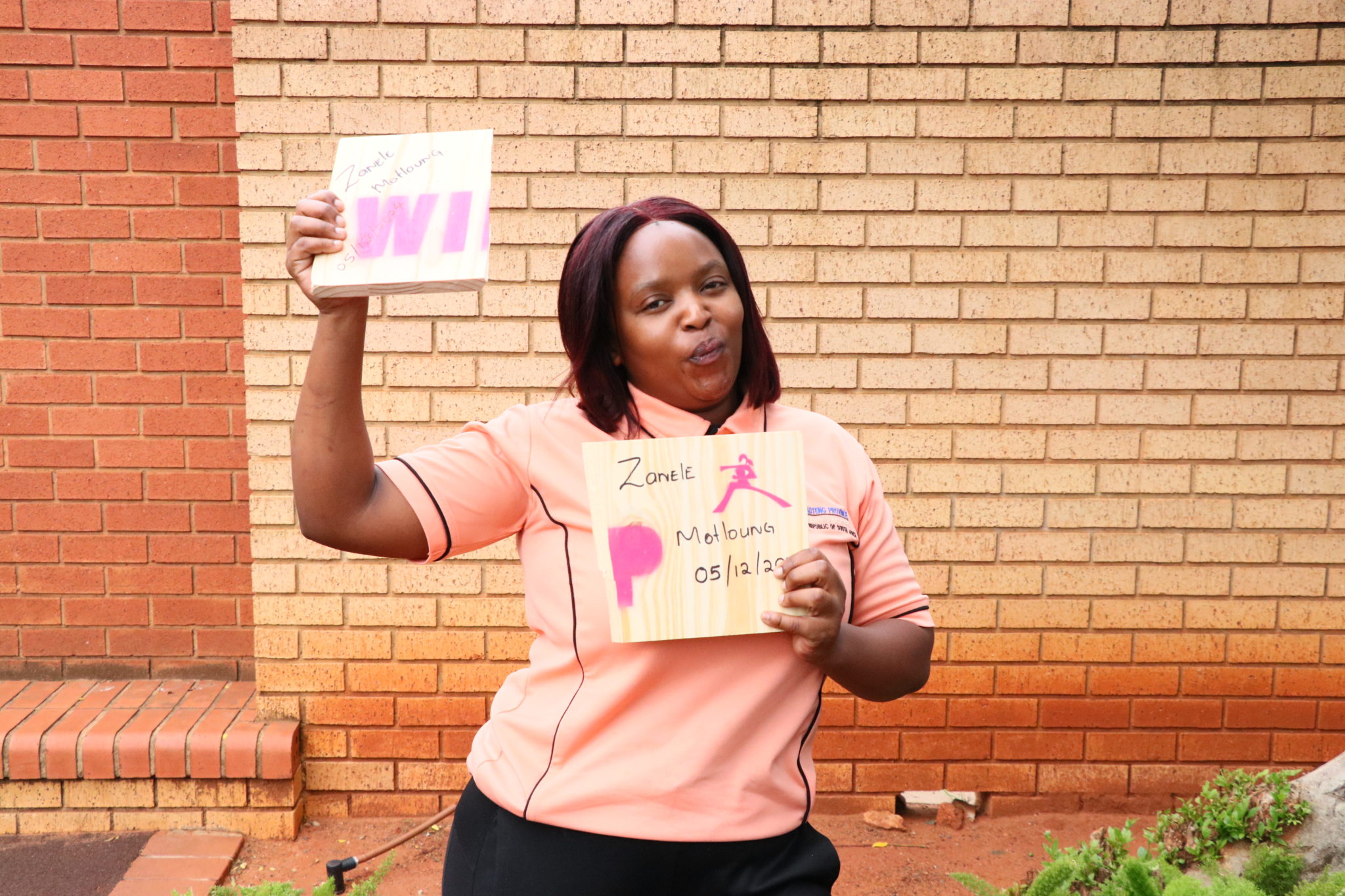 All of this action is driven from the top, where it is championed by Implats COO Patrick Morutlwa, and the message that GBV and any harassment is unacceptable is communicated throughout the company, down to the lowest level, says Radloff. It is part of induction training, and is repeated when employees return from annual leave.
Some of the most welcome lessons received since Implats started actively addressing GBV and harassment across its operations have come via external collaborations, says Snyman.
The company has built “very strong partnerships” with its peers in South Africa’s mining sector, she says.
“Typically, mining houses are not good at collaborating with each other, but the work on the Minerals Council GBV partnership and the Thuthuzela Care Centres (TCCs) has shown us that we can work together if we have a good framework and set of processes in place,” she says.
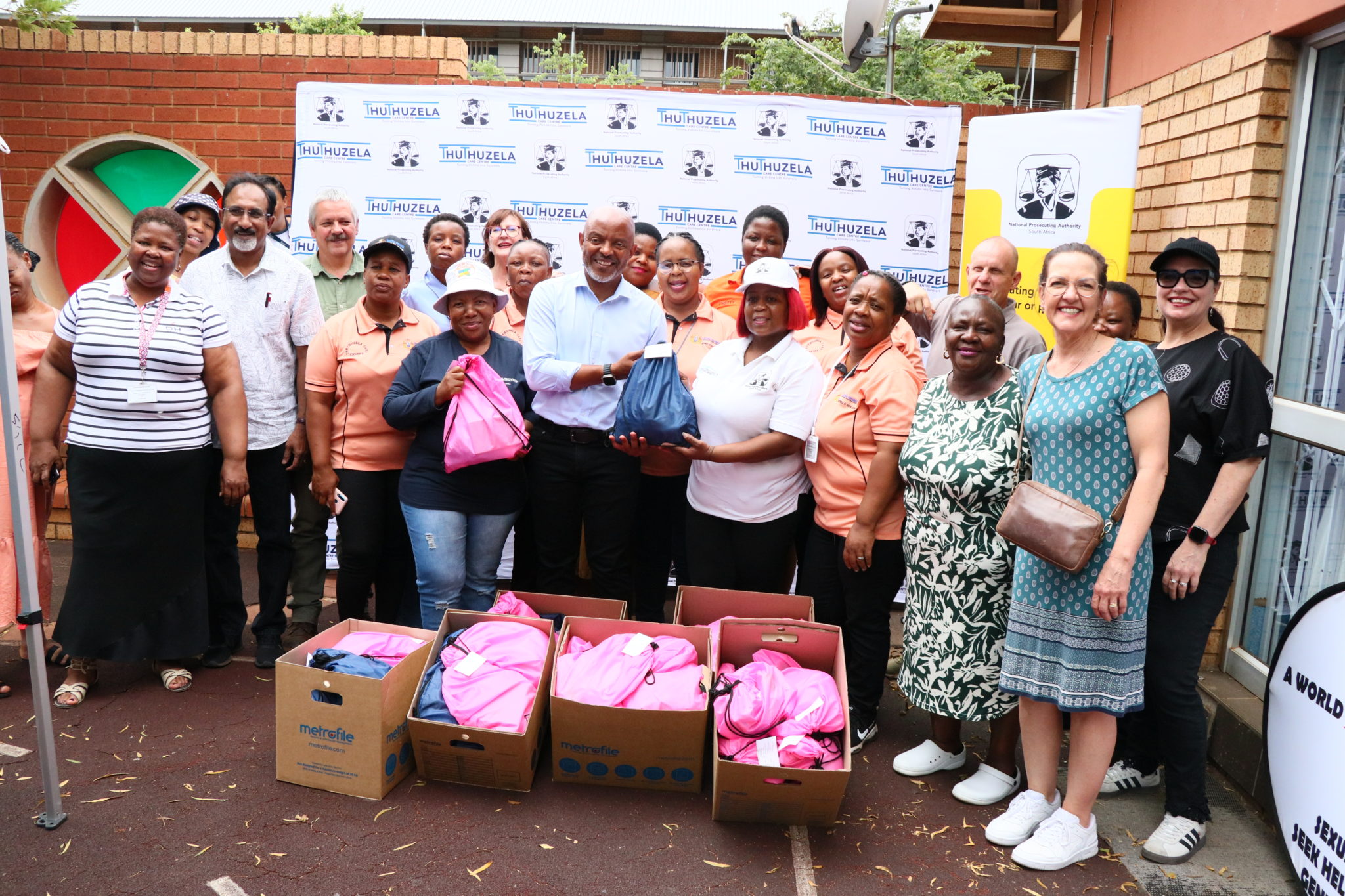
The TCCs are dedicated care centres for women connected to the mining industry and supported by the Minerals Council SA through partnerships with its members and the National Prosecuting Authority. They strengthen prevention mechanisms and support systems, providing aftercare services for survivors of sexual violence, including medical assistance, psychological counseling and legal aid.
Implats made a R10-million initial donation to the GBV Fund, a private-sector-led, multi-sectoral fund established in South Africa to raise funds for the implementation of the National Strategic Plan on GBV and Femicide, which is focused on prevention, justice, response and economic empowerment for survivors. It also pledged additional R1-million to support the TCCs and provides continuous financial and practical aid to the centres, helping to reduce secondary victimisation and improve access to justice. Furthermore, support extends to local organisations such as the Moroke Victim Empowerment Centre, complemented by awareness campaigns and collaboration with local police.
Implats maintains rigorous monitoring of harassment, bullying and victimisation (HBV) cases, tracking reports, investigations and resolutions annually. This integrated approach leads to improved workforce safety, increased employee trust, strengthened community goodwill and reinforcement of its essential social licence to operate.
Implats is working on a 10-year impact report on its broader social efforts, and the work on GBV and harassment, which began in 2023, will be included, says Snyman.
 ”Working on this has been an absolute eye-opener,” she says. “South Africa’s statistics are terrible and I do think we are contributing to curbing GBV and harassment by raising awareness and providing support. All businesses, not just mining houses, need to work to break the cycle,” she says.
“It’s not something you can do in isolation,” Radloff agrees. “We’re taking baby steps and, whatever anyone does, it’s never enough.”
We are truly proud to have Implats as a committed participant of the UN Global Compact Network South Africa,” Dr Ojwang said. “What Implats is doing to combat gender-based violence is bold, practical, and deeply meaningful. They are moving beyond compliance and taking real action. This is leadership driven from the top, setting a powerful example of how businesses can turn principles into action and deliver real change in workplaces and communities. I call on all companies across South Africa to follow this lead and do more, as addressing GBV is an urgent business and societal imperative.”