
Anglo American strengthens municipal capability to secure a sustainable future beyond mining
In Blouberg (Limpopo), municipal infrastructure project completion rose from 70% to 87%, unlocking an additional R10 million in grant funding.
Anglo American strengthens municipal capability to secure a sustainable future beyond mining
Mining towns sit at the centre of South Africa’s development story. They grow rapidly, placing immense pressure on municipal systems, and face precarious economic transitions when the mines they support eventually reach the end of life.
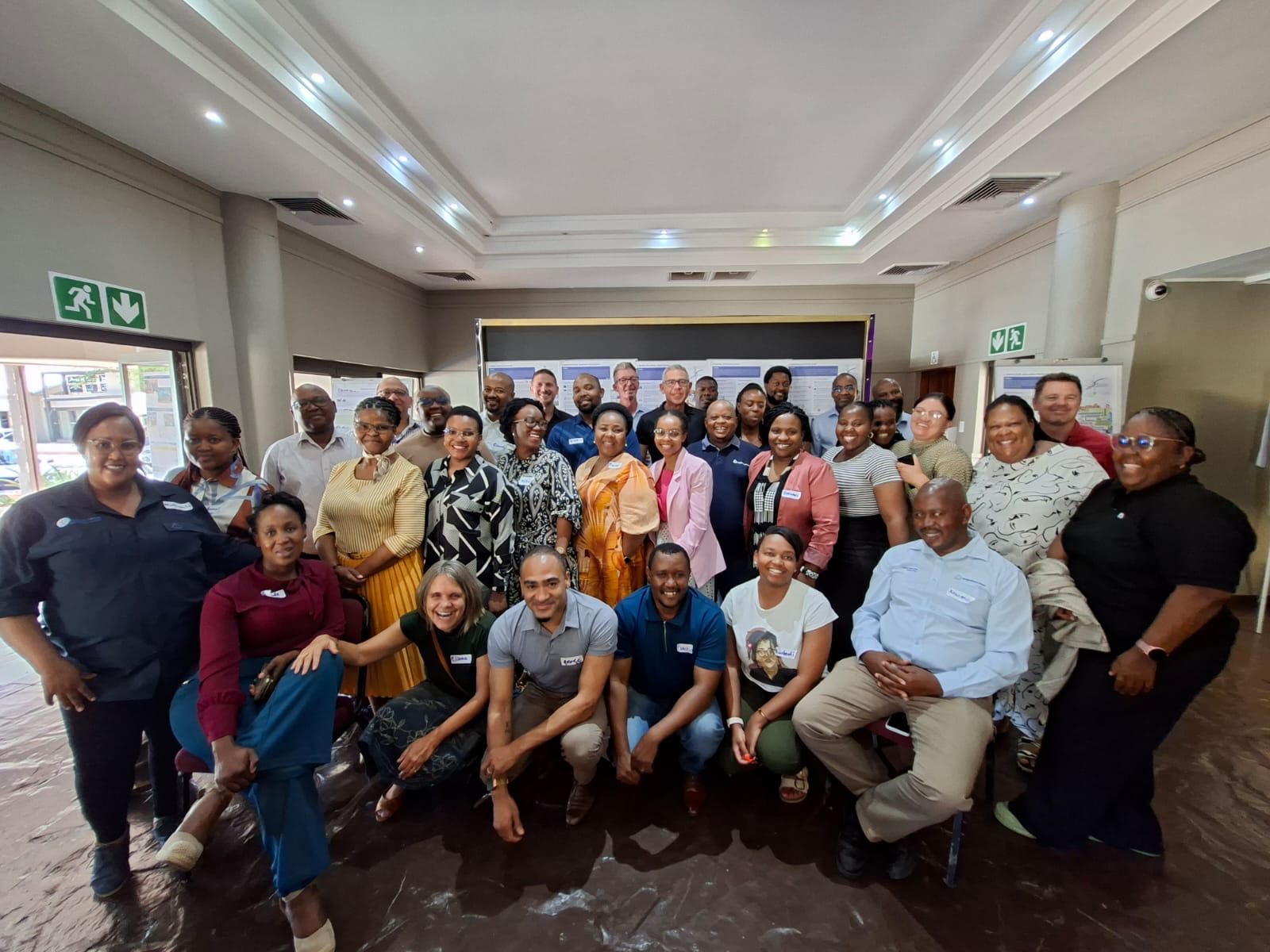
By 2019, Anglo American recognised that many municipalities in its host regions were struggling with planning backlogs, infrastructure failures, limited financial capacity. These gaps made it harder for communities to access basic rights such as water, and for mines to operate sustainably.
Guided by the United Nations Sustainable Development Goals (SDGs) – specifically 6 (clean water and sanitation), 7 (affordable and clean energy), 9 (industry, innovation and infrastructure), 11 (sustainable cities and communities), 15 (life on land) and 17 (partnerships for the goals) – the company chose to respond not with short-term fixes, but by building long-term institutional muscle.
Through its Municipal Capability and Partnership Programme (MCPP), the mining giant is getting its hands dirty to contribute in fixing local government functionality, ensuring that mining towns don’t turn into ghost towns once its operations close.
The cost of sitting on the sidelines
“We initiated the MCPP to respond to the government’s call for the private sector to help build a capable state,” says Musa Jack, Capacity Development Principal at Anglo American.
“We realised we couldn’t sit on the sidelines. If the roads aren’t maintained, our trucks are impacted. If communities don’t have water, they protest at the mine gates because they know that’s where the economic leverage is. So, dysfunctional municipalities affect us directly as well as communities that host our operations.”
The programme, implemented across municipalities in the Northern Cape, Limpopo and North West, focuses on strengthening strategic planning, governance and infrastructure management.
Before the intervention, many municipalities lacked the foundation pillars required to run effectively. “Most of them didn’t have the necessary planning instruments critical for execution of municipal mandates. These include for example, spatial development frameworks, ground water management plans, updated asset registers and revenue enhancement strategies, amongst others. ” explains Jack. “They were basically shooting in the dark, fixing issues as they broke, without the necessary plans or standard operating procedures in place.”
By placing experts from the CSIR (which is Anglo American implementation partner) alongside municipal teams to transfer skills – rather than simply doing the work for them – the programme has achieved measurable results:
Water quality – in the Tsantsabane municipality in the Northern Cape, water quality compliance saw a massive turnaround, with Blue Drop scores rising from 0% to 56% for the Postmasburg scheme.
Resource management – Mogalakwena, in Limpopo, reduced water losses from 57% to 51% through targeted active leak detection and better maintenance.
Infrastructure delivery – in Blouberg, also in Limpopo, the completion rate for municipal infrastructure projects jumped from 70% to 87%. This improvement unlocked an additional R10-million Municipal Infrastructure Grant allocation for the municipality
Crucially, the programme helped, increasing the mapping of reticulation networks in the Northern Cape’s Gamagara and Tsantsabane municipalities from 40% to 80%. This allows them to respond faster to breakdowns.
Planning for the people
The impact extends beyond pipes and roads to spatial justice. In Moses Kotane Local Municipality, in North West, which includes 107 villages, the programme helped create an informal cadastre (public record system detailing land, ownership and rights) with traditional authorities.
This process added over 100 000 previously unmapped households to planning systems for the first time, giving the municipality a realistic picture of its settlements to guide accurate service delivery.
A future beyond mining
Perhaps the most critical aspect of the MCPP is facilitating proactive preparation for a future not dependent on mining as a primary economic activity. In the Northern Cape Gamagara-Tsantsabane region, where eight major mines are set to close in the next 15 years, Anglo American (through the MCPP) is helping the municipalities to work together with local, provincial and national government stakeholders as well as industry partners to plan for economic diversification which will enable socio-economic resilience post mine closures. .
The programme has helped develop a Regional Post-Mining Economic Diversification Strategy, identifying sustainable sectors to replace mining jobs, such as renewable energy, tourism, manufacturing,agriculture and retail. Projections show the region will need approximately R5.9-billion for the new industries to thrive.
“For the first time in south africa, there is collaboration amongst stakeholders and partners to proactively plan for a future without mining. The initiative being supported in Gamagara-Tsantsabane region is a practice case that can be replicated in other parts of the country,” notes Jack.
A model for partnership
Since 2025, the programme has been focused deeply on four municipalities – Gamagara, Tsantsabane (in Nothern Cape), Musina and Blouberg (in Limpopo) – to activate implementation and embed and institutionalizevarious instruments. The MCPP proves that building state capability is slow but possible work that reduces long-term risk and creates shared value.
Says Achieng Ojwang, Executive Director of the UN Global Compact Network South Africa: “We applaud Anglo American for taking a long-term, collaborative view on sustainability. By strengthening the very institutions that support our communities, they are demonstrating how business can lead the way in creating a resilient society.”