
Sappi prioritises achieving climate resilience through science and community
In the 2025 financial year, these growers delivered nearly 400 000 tons of wood to Sappi, injecting roughly R400-million directly into rural economies.
Sappi prioritises achieving climate resilience through science and community
For most industries, agility is a matter of quarterly adjustments. In forestry, however, steering the ship is akin to turning a massive oil tanker at sea—decisions made today only bear fruit decades later.
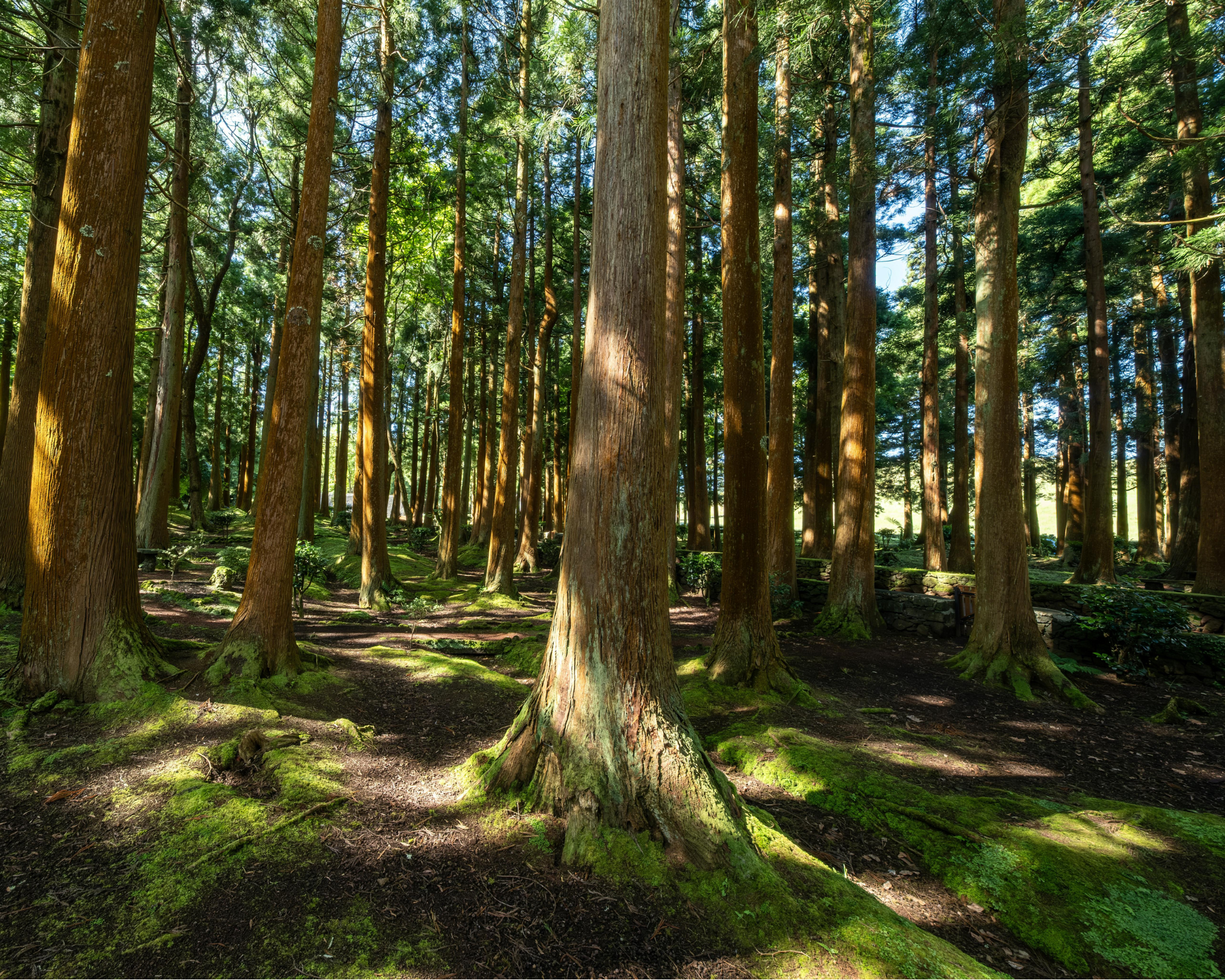 This reality sits at the heart of Sappi’s sustainability strategy in South Africa. As a leading global provider of pulp, paper and wood fibre products, the company is looking beyond standard carbon mitigation to a far more complex challenge: climate adaptation.
To survive, the business must ensure its plantations can withstand future environmental shifts.
“Even if the world were to achieve net zero by tomorrow, the effects of climate change will be with us for many decades to come,” says Giovanni Sale, Head of Sustainability for Sappi South Africa.
“We have to focus on what we do to ensure that these renewable resources will be productive for a long time into the future.”
With a rotation cycle of 10 to 20 years for trees to mature, Sappi cannot simply react to weather patterns—it must predict them.
Science-led decision making
To navigate this uncertainty, Sappi has turned to advanced scientific research. Through a partnership with the Global Change Institute at the University of the Witwatersrand, the company has funded research to downscale global climate models into granular, actionable data.
“They have downscaled the models so that they are in squares of eight kilometres by eight kilometres,” Sale explains.
“We can see, in decadal timestamps right to 2100, how about 12 or 13 different variables change over a piece of land over time.”
This data feeds directly into Sappi’s tree breeding programme. Traditionally, developing a new tree genotype can take up to 20 years. By combining climate projections with physiological research from the University of Pretoria and Stellenbosch University, Sappi can now identify genetic markers for drought and pest resistance at the seedling stage—significantly accelerating the process in preparation for a hotter, drier future.
Project Khulisa: Growing trees, growing people
Sappi’s resilience strategy extends beyond its 400,000 hectares of land to the surrounding communities that depend on its operations.
Through Project Khulisa, Sappi partners with approximately 4,000 micro-growers managing small plots of land, totalling around 40,000 hectares.
In the 2025 financial year, these growers delivered nearly 400,000 tons of wood to Sappi, injecting roughly R400 million directly into rural economies.
“We provide these growers with technical know-how, but also teach them how to run a business,” says Sale.
Sappi supports these growers with seedlings (including genetically resilient stock), loans, and a guaranteed market for timber.
This approach directly addresses South Africa’s socio-economic challenges and aligns with SDG 1 (No Poverty) and SDG 4 (Quality Education).
Cleaner energy for a circular economy
While adaptation is a key focus, mitigation remains equally important. Sappi has made significant progress in reducing its carbon footprint through renewable energy innovations.
At its Saiccor Mill in KwaZulu-Natal, a recent expansion has improved energy self-sufficiency through a circular production process.
The pulping process separates cellulose fibre from lignin. Instead of discarding this organic material, Sappi channels it into a specialised recovery system that recovers cooking chemicals for reuse and converts biomass into renewable energy.
“You get this massive amount of renewable energy that comes out of the plant at the same time,” Sale explains.
This allows the mill to generate a substantial portion of its own power from its production processes.
Beyond its own operations, Sappi is also contributing to South Africa’s energy transition. The company recently signed a 175MW solar Power Purchase Agreement (PPA), one of the largest private renewable energy deals in the country.
When operational in April 2026, this project is expected to reduce Sappi’s carbon footprint by approximately 160,000 tons per year.
A long-term vision for shared value
Dr Achieng Ojwang, Executive Director of the UN Global Compact Network South Africa, highlights the broader significance:
“Sappi shows us that a business cannot thrive in isolation. What stands out is how they have connected the hard science of climate adaptation with the daily livelihoods of their communities. It is a powerful example of how looking 20 years ahead—rather than just at the next quarter—creates real value for everyone.”