The Compact Brief: South African Businesses Urged to Plan Ahead for Fuel Supply Disruptions
South African Businesses Urged to Plan Ahead for Fuel Supply Disruptions
7 May 2026
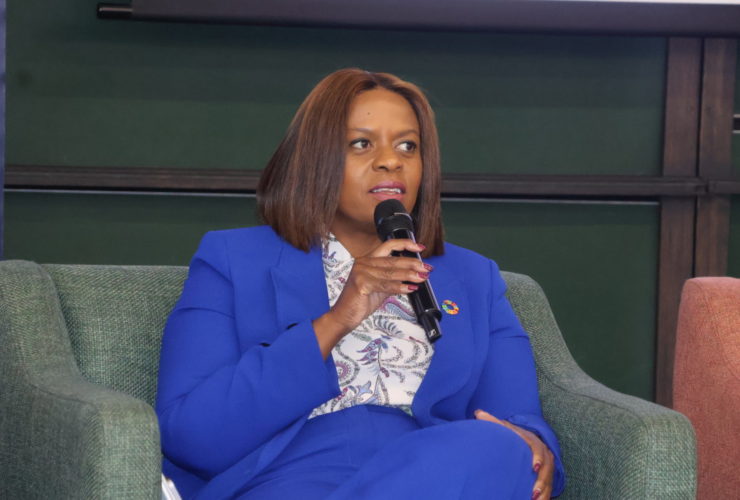
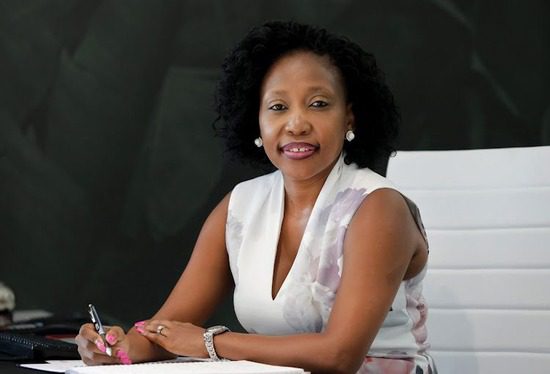
Recent geopolitical developments and rising fuel prices are placing immediate pressures on business, with higher operating costs and supply-demand imbalances due to disruptions on global shipping routes affecting operational continuity, said Mpumi Madisa, Chairperson of the Board of the UN Global Compact Network South Africa.
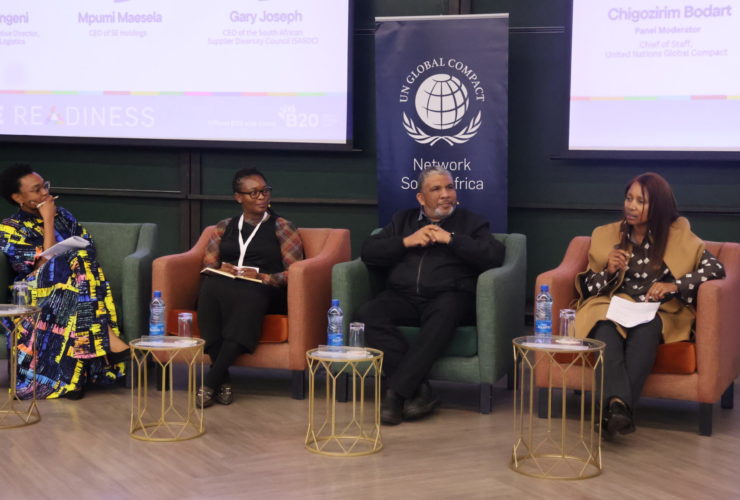
Addressing members at the Network’s 2026 Annual General Meeting, Ms Madisa, noted that these developments underscore that sustainability is central to business resilience, and organisations that have diversified energy sources, improved energy efficiency, or invested in alternative technologies, including electric mobility, are better positioned to manage these shocks.
The 2026 AGM was convened against a backdrop of heightened global uncertainty where geopolitical tensions, supply chain disruptions, and increasing economic volatility continue to shape the operating environment for business.
Future-Proofing Operations
Considering these developments, the current operating environment requires a deliberate and forward-looking response from business leadership. Ms Madisa encouraged companies to:
- Assess and map exposure to energy and supply chain risks
- Incorporate structural cost pressures into long-term planning
- Accelerate the transition towards more sustainable and resilient operating models
- Integrate sustainability considerations into core strategic and operational decision-making
The Network remains committed to supporting this transition by providing relevant tools, facilitating collaboration, and enabling shared learning across business.
During 2025, the Network’s membership grew by 24 companies to 128 participants, despite global headwinds and increasing pushback on sustainability and climate action. This reflects a sustained commitment by companies to responsible business practices and long-term value creation.
Ms Madisa commended the collective work of the Network as well as issue platforms led by Member Driven Committees and thanked companies for their active participation in the Network. She also welcomed new Board of Directors that have joined the Board during 2025/26. The new Directors are: Mzila Mthenjane, the CEO of the Minerals Council; Sipho Mosai, the CEO of Rand Water; and Valdene Reddy, the CEO of the JSE.
Strategic Priorities: 2026–2030
At the AGM, Dr Achieng Ojwang- the Executive Director of the Network presented the 2026-2030 Strategy, indicating that the Network enters the next strategic cycle with a clear and focused mandate, relevant for South Africa and aligned to global priorities. The UN Global Compact’s four strategic areas of collective action are:
- Climate and Nature
- Decent Work and Living Wage
- Gender Equality
- Sustainable Finance (as a key enabler)
These priorities reflect both global imperatives and domestic socio-economic realities, that are critical to advancing inclusive growth, strengthening resilience, and ensuring long-term competitiveness within the South African context. Dr Ojwang indicated that the Network will prioritise a focus on water, working closely with B4SA on a coordinated business response to the water crisis. On supporting business response to Employment Equity Regulations (2025), the Network is developing a Gini Coefficient framework for companies to enhance their performance and reporting.
About the UN Global Compact Network SA
GCNSA is an independent Network of the UN Global Compact, supporting companies in South Africa to embed sustainability and Sustainable Development Goals into business.
We call on more companies to Join the UN Global Compact, to transform their sustainability ambition into action.
For more information, email us at Engage@globalcompactsa.org.za